Can You Sell a House for $1? Legalities, Taxes & Risks

Ever thought about selling a house for just $1? It’s an idea that raises eyebrows and sparks curiosity. While it might sound unusual, there are specific situations where this kind of transaction makes sense. People might consider this approach for reasons like transferring property within a family, avoiding lengthy probate processes, or even as a strategy to navigate financial challenges.

But is it really that simple—or even legal? The process involves more than just setting a rock-bottom price. There are critical legal, financial, and tax implications to understand before taking such a bold step. Failing to grasp these details can lead to unforeseen consequences, including potential audits or legal complications.

This guide dives into the key aspects of selling a house for $1. From understanding the concept to exploring alternatives, we’ll cover everything you need to make an informed decision. And if you’re looking for a hassle-free way to sell your home quickly and legally, iBuyer.com is here to help simplify the process.

Instant Valuation, Confidential Deals
with a Certified iBuyer.com Specialist.

    Sell Smart, Sell Fast, Get Sold. No Obligations.

    The $1 Home Sale

    Selling a house for $1 might seem like a gimmick, but there are legitimate reasons people choose this approach. Let’s break down what it actually means and why someone might consider it.

    What It Means

    Selling a house for $1 doesn’t mean the property is worth only a dollar. It’s a symbolic price often used in unique situations, such as transferring ownership to a family member or simplifying legal processes. Despite the low sale price, the transaction still needs to meet legal requirements, including formal documentation and adherence to local property laws.

    Common Reasons

    1. Family Transfers
      Passing property to children or relatives for nominal amounts is a common practice. This method can simplify the transfer process and may reduce complications compared to traditional inheritance.
    2. Avoiding Probate
      By selling or transferring property during their lifetime, homeowners can help heirs avoid lengthy and expensive probate proceedings.
    3. Charitable Donations
      Some property owners choose to donate homes to nonprofits or religious organizations, often setting the sale price at $1 to establish the transfer.
    4. Avoiding Foreclosure
      In financial hardships, homeowners may sell their property for $1 to a trusted party to maintain some control over the transaction and avoid foreclosure by lenders.

    Addressing Skepticism

    People often question the legitimacy of a $1 home sale. Is it a tax loophole? A trick to dodge legal responsibilities? The truth is, these sales are entirely legal as long as proper procedures are followed. However, it’s essential to understand that even a symbolic price doesn’t exempt the seller or buyer from obligations like taxes or legal fees.

    Is It Legal? Key Considerations

    The legality of selling a house for $1 depends on adhering to state laws and ensuring the transaction is properly documented. While the idea is unconventional, such sales are generally allowed as long as they meet certain requirements.

    Laws and Regulations

    Real estate transactions are governed by state-specific laws, which usually permit selling a property at any price the buyer and seller agree upon. However, authorities may scrutinize $1 sales for possible violations, like tax evasion or fraudulent intent. Ensuring that all legal steps are followed is crucial to avoid issues down the road.

    Documentation Required

    Even for a $1 sale, the following documents are typically required:

    • Deed Transfer Paperwork: A legally binding document that transfers ownership from the seller to the buyer.
    • Disclosure Agreements: A declaration of any known issues with the property, such as structural damage or zoning concerns.
    • Notarization and Witnesses: Depending on the jurisdiction, notarized signatures and witnesses may be mandatory to validate the transaction.

    Potential Legal Risks

    Selling a house for $1 might raise red flags with taxing authorities or lenders. Here’s what to watch out for:

    1. Undervaluation Risks
      Tax authorities may question the sale price, especially if it’s significantly below the property’s market value. This could result in audits or re-assessments of property taxes.
    2. Gift Tax Implications
      Selling at a nominal price is often considered a “gift” rather than a sale, potentially triggering gift tax obligations. Sellers should consult a tax professional to understand their liability.
    3. Mortgage or Lender Challenges
      If the property has an outstanding mortgage, lenders might not approve the sale. Mortgage agreements often include clauses that prevent sales without full repayment of the loan.

    Financial and Tax Implications

    Selling a house for $1 might seem like an easy transaction, but the financial and tax consequences for both the seller and buyer can be complex. Understanding these implications is essential to avoid unexpected costs or complications.

    For the Seller

    1. No Monetary Gain
      Selling for $1 means the seller doesn’t receive the property’s market value. While this might not matter in family transfers or donations, it’s an important consideration if financial gain was the goal.
    2. Gift Tax Risks
      The IRS may view a $1 home sale as a gift, with the “gift” being the difference between the market value and the sale price. Gift taxes could apply if the value exceeds the annual exclusion limit (currently $17,000 per recipient in 2023). Sellers might also need to file IRS Form 709 for the transaction.
    3. Loss of Equity
      The seller forfeits any accumulated equity in the home, which could have been used for retirement, investment, or other financial goals.

    For the Buyer

    1. Tax Liability
      Even though the purchase price is $1, the buyer may still owe property taxes based on the home’s assessed market value, not the sale price. Local authorities calculate property taxes using fair market value rather than the transaction amount.
    2. Capital Gains Considerations
      If the buyer eventually sells the property, they may face significant capital gains taxes. This is because the IRS calculates gains using the original purchase price (in this case, $1) as the cost basis, making the taxable profit much larger.
    3. Insurance Challenges
      Homeowners’ insurance providers base coverage on the market value of the property. If the home is significantly undervalued in the sale, securing adequate coverage could require additional documentation and justification.

    To summarize the financial and tax implications for both parties, here’s a quick comparison:

    Aspect For the Seller For the Buyer
    Tax Implications Possible gift tax if market value exceeds limits. Property taxes based on market value, not sale price.
    Capital Gains Tax No significant gains; minimal tax impact. Large taxable gain if the property is sold later.
    Documentation Needed Deed transfer, disclosure, and gift tax filing. Proof of purchase for insurance and tax purposes.
    Risks Audits for undervaluation, losing equity. Insurance challenges and potential tax liabilities.

    Example Scenarios

    1. Family Transfer
      A parent sells their $300,000 home to a child for $1. The IRS considers the difference ($299,999) a taxable gift. The seller must account for this in their lifetime gift tax exemption or pay applicable taxes.
    2. Charitable Donation
      A homeowner donates their house to a nonprofit and sets the sale price at $1. The donor may claim a tax deduction for the fair market value of the home, subject to IRS rules on charitable contributions.

    Alternatives to Selling for $1

    While selling a house for $1 might seem like a quick solution, there are often better, less complicated ways to achieve the same goals without triggering potential legal or financial pitfalls. Here are a few practical alternatives.

    1. Fair Market Value Sales

    Selling your home at its market value ensures transparency and avoids tax complications. If you’re transferring a property to a family member, you can still help them by gifting a portion of the proceeds or offering financial assistance in another way. This approach keeps tax liabilities clear and reduces scrutiny from authorities.

    2. Utilizing Trusts or Wills

    For inheritance purposes, setting up a trust or including the property in a will is often a better option than a $1 sale. Trusts can ensure the property is transferred smoothly while avoiding probate. A will, though subject to probate, provides clear instructions for property distribution.

    Benefits:

    • Maintains fair market value records.
    • Avoids immediate tax implications or audits.
    • Provides legal clarity for heirs.

    3. Gifting the Property

    Instead of selling for $1, you can gift the property outright. While this may still involve gift tax considerations, it eliminates the ambiguity of an undervalued sale. Make sure to consult a tax professional to determine how the value of the gift fits into your lifetime gift tax exemption.

    Example: A parent gifts a $300,000 home to their child. If the amount exceeds the annual exclusion limit, it counts toward the lifetime exemption of $12.92 million (as of 2023). Proper documentation ensures compliance.

    4. Selling to iBuyer Platforms

    If you’re looking for a quick, hassle-free way to sell your home without undervaluing it, iBuyer platforms can be an excellent alternative. These services provide competitive offers based on the home’s market value and streamline the selling process.

    Advantages of iBuyer Platforms:

    • Instant offers and fast closing timelines.
    • No need to undervalue your property.
    • Professional guidance through the transaction.

    Reilly’s Two Cents

    Selling a house for $1 might sound like a creative solution, but from what I’ve seen, it’s rarely as straightforward as it seems. While it can work in specific cases—like transferring property to family or sidestepping probate—it’s critical to fully understand the implications before moving forward.

    When people rush into these kinds of transactions, they often miss important details, like tax liabilities or the potential for legal complications. And trust me, the fallout can be messy—audits, disputes, or even unexpected financial penalties.

    Here’s What You Need to Know

    1. Talk to a Real Estate Attorney
      Laws vary widely depending on where you live. A good attorney will make sure you’re following the rules and have the proper paperwork in place. They’ll also help you avoid oversights that could cost you down the road.
    2. Get a Professional Property Valuation
      Even if you’re selling for $1, the property’s true value still matters. Taxing authorities look at market value—not the sale price—when calculating taxes. Having a clear valuation ensures transparency and protects both parties involved.
    3. Plan for Taxes
      A $1 sale often triggers gift tax rules. The IRS treats the difference between the market value and the sale price as a “gift,” and if it exceeds the annual exclusion, you could be on the hook for taxes. Consulting a tax professional is a must.

    Selling a house for $1 might feel like a shortcut, but it’s not always the easiest or cleanest path. There are often better alternatives, like gifting the property or setting up a trust, which can achieve the same goals with fewer complications. Whatever you decide, make sure to plan ahead and get professional advice.

    Conclusion

    Selling a house for $1 might seem like an unusual idea, but it’s often used in very specific circumstances like family transfers, avoiding probate, or charitable donations. While the concept is simple, the execution is anything but. Legalities, tax implications, and potential risks make it essential to proceed with caution and thorough preparation.

    If this approach appeals to you, make sure to seek professional advice. Consulting with a real estate attorney or tax advisor can save you from costly mistakes and ensure everything is handled legally and fairly. Whether it’s navigating gift tax laws, ensuring proper documentation, or understanding the long-term consequences, expert guidance is critical to success.

    Of course, selling your home doesn’t have to be complicated. If you’re looking for a fast and stress-free solution, iBuyer.com is here to help. We specialize in streamlining property sales, providing competitive offers, and making the process as smooth as possible.

    Have questions or ready to explore your options? Reach out today and let us guide you toward the best decision for your home.

    Compare Cash Offers from Top Home Buyers.
    Delivered by Your Local iBuyer Certified Specialist.

      One Expert, Multiple Offers, No Obligation.

      FAQs

      Can I sell my house for $1 to avoid taxes?

      No, selling a house for $1 is not a way to avoid taxes. The IRS views the difference between the property’s market value and the sale price as a “gift,” which can lead to gift tax obligations. Instead of helping you sidestep taxes, this approach may attract closer scrutiny from tax authorities, potentially complicating matters further.

      Is selling for $1 the same as gifting property?

      Not quite. While a $1 sale is often treated as a gift for tax purposes, gifting property outright can sometimes be a more straightforward approach. With a gift, there is no sale price involved, and the process focuses purely on the transfer of ownership. However, both methods require compliance with tax laws, and larger gifts may need to be reported using IRS Form 709.

      Will my mortgage lender allow a $1 sale?

      If there is still a mortgage on the property, selling for $1 could pose a challenge. Lenders usually require the outstanding loan to be fully repaid before approving any ownership transfer. This means you’ll need to carefully review your mortgage agreement and communicate with your lender to determine what’s allowed.

      What are the risks of undervaluing property?

      Selling a house for $1 carries risks, including increased chances of tax audits. Tax authorities may question the sale to confirm compliance with gift tax rules. Misreporting the property’s value can also result in penalties. Additionally, insurance companies base policies on market value rather than sale price, which could lead to inadequate coverage.

      How do I ensure a $1 sale is legally sound?

      To ensure everything is handled correctly, it’s important to file accurate and complete documentation for the transaction, including the deed transfer. Consulting with a real estate attorney can help you understand state-specific requirements and avoid potential issues. Full transparency with the buyer, especially in family transactions, is also key to avoiding disputes or misunderstandings down the road.

      The post Can You Sell a House for $1? Legalities, Taxes & Risks appeared first on iBuyer Blog.
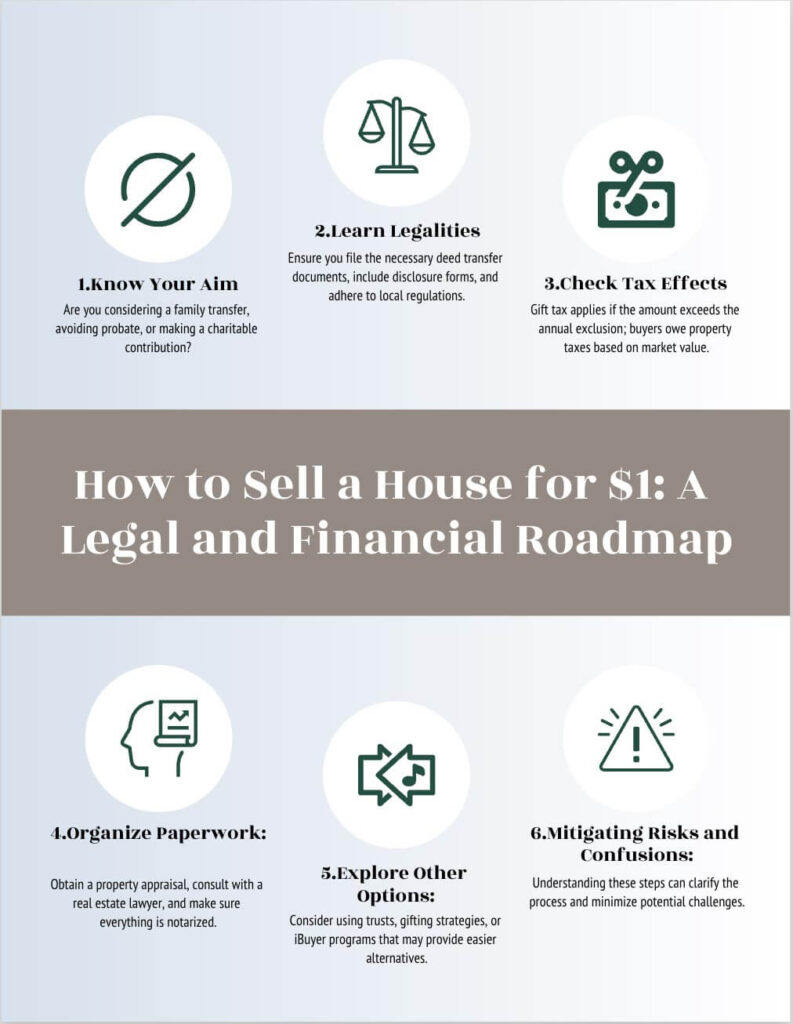
      Powered by WPeMatico

      How to Estimate Closing Costs When Paying Cash

      Understanding the costs involved in buying a home is crucial—especially if you’re paying in cash. Many believe that skipping the mortgage process also skips all the extra fees. Unfortunately, that’s a costly misconception.

      Even cash buyers face closing costs, ranging from title searches to property taxes. These fees can quickly add up if you’re not prepared. Knowing what to expect not only keeps surprises at bay but also helps you budget wisely for one of life’s biggest investments.

      At iBuyer.com, we aim to simplify the home-selling process and give you clarity on closing costs, so you’re never caught off guard. Ready to dive in? Let’s break it all down step by step.

      Instant Valuation, Confidential Deals
      with a Certified iBuyer.com Specialist.

        Sell Smart, Sell Fast, Get Sold. No Obligations.

        What Are Closing Costs?

        Closing costs are the collection of fees and expenses you pay when finalizing a real estate transaction. They cover the services and administrative tasks required to transfer property ownership.

        There’s a common myth that paying cash eliminates all these fees, but that’s not the case. Even without a mortgage, you’ll encounter costs like title searches, inspections, and taxes. Think of these as the necessary steps to make your purchase legal and secure.

        Knowing these costs upfront is essential. It ensures that you’re fully prepared to complete your purchase without financial stress. Plus, understanding where your money goes gives you confidence in your investment.

        Why Do Cash Buyers Still Have Closing Costs?

        Paying cash might sidestep lender fees, but other expenses still apply. Many closing costs cover essential services that ensure the transaction is legal, secure, and seamless. These are necessary whether you’re financing or paying outright.

        For example, title searches verify that the property is free from legal disputes, while title insurance protects you from potential claims against the property. Escrow fees, property taxes, and recording fees ensure the transaction is documented and compliant with local laws.

        Additionally, local regulations may require inspections or taxes to be paid at closing. These costs aren’t tied to a mortgage—they’re tied to the property transfer process itself. Understanding this helps you see why these costs are unavoidable, even for cash buyers.

        Breakdown of Typical Closing Costs for Cash Buyers

        When paying cash, your closing costs are generally simpler than those for buyers using a mortgage. Here’s a breakdown of the common fees you might encounter:

        • Title Search and Title Insurance: Ensures there are no legal claims or disputes on the property. Title insurance protects you from future challenges to ownership.
        • Escrow Fees: Covers the neutral third party managing the transaction and funds during the process.
        • Property Taxes: Often prorated so both buyer and seller pay their share based on when the property changes hands.
        • Homeowners Association (HOA) Fees: If the property is in an HOA, you’ll need to settle any outstanding dues and transfer fees.
        • Homeowners Insurance: Although optional for cash buyers, securing coverage from day one is highly recommended.
        • Attorney Fees: In some states, an attorney must handle property transactions, adding another cost.
        • Recording Fees: Paid to the local government to officially register the deed and transfer ownership.
        • Inspection Fees: Typically optional, but these provide valuable insights into the property’s condition.
        • Optional Appraisal Fees: While not mandatory, an appraisal can help ensure you’re paying a fair price.

        These fees can vary depending on your location and the specifics of your purchase. Knowing what to expect makes budgeting a breeze.

        Methods to Estimate Closing Costs

        Estimating your closing costs doesn’t have to be a guessing game. With the right tools and strategies, you can get a clear picture of what to budget. Here are some practical methods:

        1. Apply the 3% Rule: A quick rule of thumb is to set aside about 3% of the property’s purchase price for closing costs. While not exact, this estimate works well for ballparking expenses.
        2. Use Online Calculators: Many websites offer closing cost calculators to provide tailored estimates based on your property’s location and price. These tools often factor in local taxes and fees.
        3. Consult Professionals: Real estate agents and attorneys have firsthand experience with closing costs in your area. They can provide detailed insights or connect you with resources for an itemized estimate.
        4. Request an Itemized Cost Sheet Early: When you’re deep into negotiations, ask the seller or escrow company for a preliminary breakdown of costs. This helps avoid surprises and ensures clarity.

        These methods not only give you an estimate but also empower you to plan your finances with confidence.

        How to Reduce or Negotiate Closing Costs

        Closing costs can be trimmed with a little preparation and smart negotiation. Here are some effective ways to cut down on these expenses:

        1. Review the Purchase Agreement Carefully: Look for fees that seem excessive or unnecessary. If something doesn’t add up, ask for clarification or removal.
        2. Negotiate Costs with the Seller: In a buyer’s market, you might ask the seller to cover some closing costs. Known as “seller concessions,” this strategy can save you thousands.
        3. Shop Around for Services: Title companies, attorneys, and inspectors often set their own rates. Get multiple quotes to ensure you’re not overpaying.
        4. Bundle Services for Discounts: Some title companies or escrow providers offer discounts when you bundle related services like title insurance and escrow management.
        5. Waive Optional Fees: For instance, if an appraisal isn’t required for your cash purchase and you feel confident in your offer price, skipping it can reduce costs.

        These tips can help ensure your closing costs are as lean as possible, leaving more cash for your home and future projects.

        Reilly’s Two Cents

        When it comes to closing costs, I’ve learned a few valuable lessons that every cash buyer should know. Here’s my personal take on navigating these expenses:

        1. Title Insurance Is Worth Every Penny: At first, I questioned whether title insurance was necessary. After all, isn’t a title search enough? But it only takes one story of someone facing ownership disputes to realize how vital this protection is. It’s a small cost for priceless peace of mind.
        2. Consult the Right Professionals Early: Whether it’s a trusted real estate attorney or a savvy agent, having the right experts in your corner makes all the difference. They can catch errors, highlight hidden fees, and give you a better estimate of your total costs.
        3. Negotiate and Question Everything: Closing costs aren’t set in stone. For my last transaction, I discovered I could avoid an unnecessary fee just by asking about it. Sellers and service providers are often open to adjustments—especially if you’re paying cash.

        When you’re mindful of the details and proactive in your approach, closing costs become manageable, not overwhelming. Remember: preparation is key!

        Conclusion

        Closing costs are an inevitable part of buying a home, even when you’re paying cash. But with a clear understanding of what to expect, they don’t have to be a source of stress. From title searches to property taxes, every fee serves a purpose in making your transaction legal and secure.

        By estimating costs ahead of time and using strategies to reduce them, you’ll be well-prepared to close the deal with confidence. And remember, investing in the right professionals can save you both time and money in the long run.

        If you’re looking for an easier way to navigate home buying or selling, iBuyer.com is here to help. Our team simplifies the process and provides expert guidance to ensure a smooth transaction. Ready to take the next step? Let’s get started today.

        Compare Cash Offers from Top Home Buyers.
        Delivered by Your Local iBuyer Certified Specialist.

          One Expert, Multiple Offers, No Obligation.

          FAQs

          What are the major differences in closing costs for cash buyers vs. financed buyers?

          Cash buyers avoid lender-related fees, such as loan origination and mortgage insurance. However, they still pay for essentials like title searches, escrow fees, and property taxes.

          Are closing costs tax-deductible?

          In most cases, closing costs for purchasing a home are not tax-deductible. However, some costs, like property taxes or mortgage interest (if applicable), may qualify. Consult a tax professional for specific guidance.

          Can I waive any of these fees as a cash buyer?

          While some fees are negotiable (like inspection or appraisal fees), others, such as recording fees and property taxes, are mandatory. Be sure to discuss options with your attorney or real estate professional.

          What happens if I don’t buy title insurance?

          Skipping title insurance exposes you to potential legal risks, such as ownership disputes or undisclosed liens. While not mandatory, it’s a recommended safeguard.

          How does the location affect closing costs?

          Closing costs vary significantly by location due to differences in state laws, property taxes, and local fees. Researching regional costs is essential for accurate budgeting.

          The post How to Estimate Closing Costs When Paying Cash appeared first on iBuyer Blog.

          Powered by WPeMatico

          Guide to Rental Properties for Reliable Retirement Income

          Investing in rental properties can be a powerful strategy for generating consistent retirement income. By creating a portfolio of income-producing properties, individuals can potentially enjoy a steady cash flow that supports their lifestyle well into retirement.

          But let’s face it—every investment journey starts with clarity. Knowing your financial goals and understanding how well each property performs are crucial first steps. This isn’t just about buying properties; it’s about buying the right ones that align with your retirement plans.

          If you’re considering this path, iBuyer.com offers tools and services to simplify the home-selling process. Whether you’re freeing up equity to invest in rentals or looking for an efficient way to sell your home, iBuyer.com has you covered. 

          Compare Cash Offers from Top Home Buyers.
          Delivered by Your Local iBuyer Certified Specialist.

            One Expert, Multiple Offers, No Obligation.

            Understanding Retirement Income Needs

            Planning for retirement means thinking beyond the present. Start by evaluating your current living expenses—housing, food, transportation, and leisure activities. Then, project these costs into the future, factoring in inflation and any changes to your lifestyle.

            For example, do you plan to travel more? Will you downsize your living space? Or perhaps you want to support your family financially. Each of these goals impacts the amount of income you’ll need to sustain your retirement dreams.

            Next, calculate how much your retirement income sources—like social security, pensions, or investments—will cover. The gap between your anticipated expenses and income shows how much extra you’ll need to generate. This clarity is essential before diving into real estate investments.

            Remember, the lifestyle you envision will drive your income requirements. Take the time to be honest about your goals and priorities so you can prepare accordingly.

            Calculating Cash Flow per Property

            When it comes to rental properties, cash flow is king. Cash flow is the money you keep after covering all the expenses tied to your rental property, and understanding it is key to a successful investment strategy.

            The formula is straightforward:
            Cash Flow = Rental Income – Expenses

            Let’s break it down:

            • Rental Income: This is the total rent you collect monthly.
            • Expenses: These include your mortgage payments, property taxes, maintenance costs, insurance, and even an allowance for vacancies.

            For example, let’s say you earn $2,000 per month in rent. Your monthly expenses (mortgage: $1,200, taxes: $200, insurance: $100, maintenance: $100) total $1,600. This leaves you with a monthly cash flow of $400.

            Positive cash flow means your property is making money after all costs, which is essential for covering your retirement needs. On the other hand, negative cash flow can drain your savings and should be avoided.

            Pro Tip: Always factor in an emergency fund for unexpected repairs or extended vacancies. Consistent cash flow, not just appreciation, is what keeps your retirement plan running smoothly.

            Determining the Number of Properties Needed

            How many properties do you need to comfortably retire? The answer lies in your desired monthly income and the cash flow each property generates. Here’s the simple formula:

            Number of Properties = Desired Monthly Retirement Income ÷ Cash Flow per Property

            Let’s look at some examples:

            1. Modest Lifestyle:
              • Desired income: $4,000/month
              • Cash flow per property: $400
              • Properties needed: $4,000 ÷ $400 = 10 properties
            2. Luxury Lifestyle:
              • Desired income: $10,000/month
              • Cash flow per property: $500
              • Properties needed: $10,000 ÷ $500 = 20 properties

            Keep in mind that your cash flow will vary based on factors like property type, location, and management costs. Focusing on properties with strong cash flow potential can reduce the total number of properties you need to achieve your goal.

            Pro Tip: Diversify your portfolio across different areas to minimize risk. If one market underperforms, your other properties can help balance your income.

            Factors Influencing Property Performance

            Not all rental properties are created equal. To make informed decisions, you need to understand the factors that directly impact how well a property performs and contributes to your retirement income.

            1. Location and Market Conditions

            The property’s location is a major determinant of rental demand and income potential. Look for areas with:

            • Strong job markets
            • Quality schools
            • Low crime rates
            • Amenities like shopping, parks, and public transport

            Market trends matter too. A booming market can boost rental rates and property appreciation, while a declining one can lead to vacancies or reduced income. Research local real estate trends before committing.

            2. Property Management Efficiency

            Managing a property well ensures consistent cash flow. If you’re not keen on being a hands-on landlord, hiring a professional property manager can help. They’ll handle tenant screening, rent collection, and maintenance, but their fees (typically 8–12% of rental income) should be factored into your expenses.

            3. Economic Factors

            Broad economic conditions, such as interest rates, inflation, and employment levels, influence rental demand and property values. A strong economy generally benefits landlords, while a downturn may pose challenges.

            4. Real Estate Trends

            Changes in zoning laws, infrastructure projects, or neighborhood developments can significantly impact a property’s desirability. Stay informed about local and national trends to anticipate shifts in the market.

            Pro Tip: Before purchasing, analyze the neighborhood’s rental history and future growth potential. A little research can go a long way in securing high-performing assets.

            Financing and Leverage Considerations

            Acquiring rental properties often requires financing, and understanding how to use leverage effectively can amplify your returns—but it comes with risks. Here’s what you need to know.

            1. The Role of Mortgages

            For most investors, mortgages are the go-to financing option. A well-structured loan lets you acquire properties with a smaller upfront investment, allowing you to use your cash strategically. Key considerations include:

            • Loan-to-Value Ratio (LTV): Lenders typically require 20–30% down for investment properties.
            • Interest Rates: Higher rates can eat into your cash flow. Shop around for competitive terms.
            • Loan Term: Shorter terms (e.g., 15 years) have higher payments but reduce interest costs over time.

            2. Benefits of Leverage

            Leverage allows you to control a more valuable asset with less of your own money. For example, a 20% down payment on a $300,000 property ($60,000) lets you benefit from appreciation and rental income on the entire $300,000 asset.

            When used wisely, leverage can:

            • Increase your returns on investment (ROI).
            • Enable you to scale your portfolio faster.

            3. Risks of Leverage

            While leverage can magnify gains, it also increases risks:

            • Cash Flow Strain: High monthly mortgage payments can lead to negative cash flow if rent doesn’t cover costs.
            • Market Downturns: If property values fall, you could owe more than the property’s worth (negative equity).
            • Vacancies: Prolonged vacancies can make it challenging to meet mortgage payments.

            4. Mitigating Risks

            • Always aim for positive cash flow properties to cushion against market changes.
            • Maintain an emergency fund for unexpected repairs or vacancies.
            • Use conservative leverage ratios, especially if you’re new to real estate investing.

            Pro Tip: Work with a financial advisor or mortgage broker who specializes in real estate to structure loans that align with your retirement goals.

            Tax Implications and Benefits

            Owning rental properties isn’t just about cash flow and appreciation; it also opens the door to significant tax advantages. Understanding these benefits can help you maximize returns and reduce liabilities.

            1. Tax Deductions for Rental Property Owners

            As a property owner, you can deduct many expenses related to your rental business, including:

            • Mortgage interest
            • Property taxes
            • Insurance premiums
            • Maintenance and repairs
            • Property management fees
            • Utilities (if paid by the owner)

            These deductions directly lower your taxable income, increasing the profitability of your investments. Keep detailed records of all expenses to ensure you’re taking full advantage of these benefits.

            2. Depreciation

            Depreciation allows you to deduct the cost of your property (excluding the land value) over a set period, typically 27.5 years for residential properties. This non-cash expense reduces your taxable income without affecting your cash flow.

            For example, if the value of your property (excluding land) is $275,000, you could deduct $10,000 annually in depreciation. This benefit alone can significantly offset rental income taxes.

            3. 1031 Exchange

            A 1031 exchange lets you defer capital gains taxes when you sell a rental property and reinvest the proceeds into another like-kind property. This powerful tool helps you grow your portfolio without an immediate tax burden, though it comes with strict rules and timelines.

            4. Passive Income Tax Rates

            Rental income is considered passive income, which is generally taxed at lower rates compared to active income. Depending on your overall income, this can lead to substantial tax savings.

            5. Risks and Considerations

            While the tax benefits of rental properties are attractive, you’ll also need to be aware of potential pitfalls:

            • Paying capital gains taxes when selling without a 1031 exchange.
            • Managing tax reporting complexities, especially with multiple properties.
            • Dealing with recaptured depreciation if you sell a property at a gain.

            Pro Tip: Work with a tax advisor or CPA experienced in real estate investments to ensure you’re leveraging all available tax advantages while staying compliant with IRS regulations.

            Reilly’s Two Cents

            As someone who has walked the path of selling homes and investing in rental properties for retirement, I can tell you firsthand: planning and patience are everything. Here are a few lessons I’ve learned that can save you time, stress, and money.

            1. Start with a Clear Financial Plan

            Before diving into real estate, map out your financial goals. Determine how much passive income you’ll need in retirement and how many properties it will take to get there. Setting realistic targets ensures you don’t overextend yourself financially.

            2. Do Your Due Diligence

            Not all rental properties are good investments. Always research the market, property history, and potential expenses. Look at comparable rents in the area to ensure the property will generate enough cash flow to meet your goals. Skipping this step can lead to costly mistakes.

            3. Consider Professional Property Management

            Managing properties can quickly become a full-time job, especially if you own several. Hiring a professional property manager can save you from the hassle of late-night repair calls and tenant issues, while also protecting the value of your property through proper maintenance.

            4. Be Prepared for the Unexpected

            Owning rental properties isn’t without its challenges. Vacancies, surprise repairs, and market fluctuations are part of the game. Keep an emergency fund to handle these situations without jeopardizing your retirement income.

            5. Leverage iBuyer.com for Strategic Selling

            When I sold one of my homes to fund my rental property investments, iBuyer.com streamlined the process. Their efficient home-selling tools saved me time and helped me secure the capital I needed. If you’re looking to free up funds for real estate investments, I highly recommend their services.

            Conclusion

            Rental properties offer a promising path to achieving steady retirement income, but success hinges on careful planning. From understanding your income needs and calculating cash flow to evaluating property performance and navigating financing, each step plays a vital role in building a sustainable portfolio.

            The key takeaway? Start early, set clear financial goals, and be strategic about your investments. Diversify your properties, leverage tax benefits, and consider professional management to ensure your portfolio thrives even in the face of challenges.

            Ready to take action? Begin your journey today by exploring iBuyer.com’s efficient home-selling services. Whether you’re looking to free up capital or invest in your first rental property, their tools and expertise can help you take the next step toward a financially secure retirement.

            Instant Valuation, Confidential Deals
            with a Certified iBuyer.com Specialist.

              Sell Smart, Sell Fast, Get Sold. No Obligations.

              FAQ

              How do I calculate the cash flow of a rental property?

              To calculate cash flow, use the formula: Rental Income – Expenses. Rental income is the total rent you collect monthly, while expenses include mortgage payments, property taxes, insurance, maintenance, and a vacancy allowance. For example, if your rental income is $2,000 and expenses are $1,500, your cash flow is $500 per month.

              What are the risks associated with using leverage in real estate investment?

              Leverage can amplify your returns, but it also increases risk. Common risks include negative cash flow if expenses exceed rental income, property value drops leading to negative equity, and financial strain during vacancies. Always ensure your cash flow is positive and maintain an emergency fund to manage these risks.

              How can I minimize vacancies and ensure consistent rental income?

              To minimize vacancies and maintain steady rental income, start by selecting properties in high-demand areas with strong rental markets. Set competitive rental rates by researching comparable properties in the area. Regular maintenance and improvements can help attract and retain tenants. Careful tenant screening ensures reliability and reduces turnover. If managing properties feels overwhelming, consider hiring a property manager to handle leasing, repairs, and tenant relations efficiently.

              What are the tax benefits of owning rental properties?

              Rental property owners enjoy several tax advantages, such as deductions for mortgage interest, property taxes, insurance, and maintenance costs. Depreciation allows you to deduct the property’s value over time, reducing taxable income. Consult a tax advisor to optimize these benefits.

              How does property location affect rental income and appreciation?

              Location determines demand, rent potential, and future appreciation. Properties in areas with strong job markets, good schools, and low crime rates typically perform better. Local infrastructure and economic development also play a role in increasing property value over time.

              The post Guide to Rental Properties for Reliable Retirement Income appeared first on iBuyer Blog.

              Powered by WPeMatico

              10 Best Companies That Buy Houses For Cash in Illinois

              In December 2024, the Illinois housing market exhibited notable trends. Home sales saw an increase of 3.5% year-over-year. There was a minor increase in median home price, 5.3% from the previous year, reaching $266,000. 

              The increase in prices indicates a growing disparity between supply and demand, but experts are anticipating a resurgence as consumer confidence grows and legislative efforts aim to address the housing shortage. 

              In this guide, we’ll explore 10 cash-buying companies that can provide an easy selling alternative for homeowners looking to take advantage of the market in Illinois.  

              iBuyer.com is one cash-buying option that tailors to changing market conditions, so you can enjoy a simple home sale no matter how the market shifts.  

              Compare Cash Offers from Top Home Buyers.
              Delivered by Your Local iBuyer Certified Specialist.

                One Expert, Multiple Offers, No Obligation.

                Companies That Buy Houses For Cash in Illinois

                1. iBuyer.com

                • Offer in 24-48 Hours
                • No Commissions or Fees
                • Close in 7 Days

                iBuyer.com helps you sell your home fast without the complexities of a traditional real estate transaction. With over 15 years in the business, they streamline the selling process, offering insights and connections to make selling easy and efficient.

                To get started, use their website to generate a free, instant estimate of your home’s value. Then, iBuyer.com will connect you with top iBuyer companies across the U.S. to get a cash offer within 48 hours if your property meets their criteria.

                You decide when to accept the offer. If you proceed, you’ll receive a competitive, all-cash offer valid for five days, with flexible closing options between 14 and 65 days. Expect a service fee of 5-6% and closing costs of 1-2%.


                iBuyer offers unique advantages for sellers looking to close quickly. Benefits include:

                • Speedy Process: Get an offer and close in days, not months.
                • Efficiency: Skip staging, repairs, and realtor interactions.
                • Certainty: All-cash offers mean no financing fall-through risks.
                • Simplicity: No realtor fees or complex contracts.


                On Trustpilot, iBuyer has a 4.3 rating from over 50 reviews. Customers appreciate the fast and hassle-free process, highlighting the ease of selling without showings or realtor fees.


                iBuyer.com operates in 41 states, including Illinois.

                2. Opendoor

                • Flexible Closing
                • 5% Service Fee
                • 1% Closing Costs

                Opendoor is a leading real estate technology company based in San Francisco, offering homeowners an all-digital, hassle-free home-selling experience. Known for instant cash offers, Opendoor buys properties, makes necessary repairs, and relists them for sale, allowing sellers to avoid traditional real estate processes. The platform also provides financing options and a streamlined app experience for browsing and buying homes.

                Homeowners can list their property directly on Opendoor’s platform, where they can receive a cash offer within 24 hours. With flexible closing options ranging from 14 to 45 days, sellers have more control over their timeline. Opendoor charges a 5% service fee and 1-2% in closing costs, eliminating realtor fees.


                Opendoor offers a convenient, hassle-free alternative for homeowners looking to sell quickly. Key benefits include:

                • Speed and Flexibility: Receive a cash offer in 24 hours and close within a few weeks.
                • Certainty: Guaranteed sale without dependency on traditional market conditions.
                • As-Is Purchase: Opendoor buys properties as-is, eliminating the need for showings or repairs.


                Opendoor has a solid 4.5-star rating on Trustpilot, with positive feedback on both Reviews.io and the Better Business Bureau. Customers often praise the convenience and speed of Opendoor’s process, though some note concerns with pricing adjustments for repairs.


                Opendoor operates in over 50 markets nationwide, including Illinois.

                3. Offerpad

                • Offer in 24 Hours
                • 6% Service Fee
                • Help You Move Within 50 Miles

                Offerpad is a real estate service providing cash purchases for homes, home improvement assistance, and a trade-up program to help sellers buy a new home before selling their current one. Offerpad provides a cash offer within 24 hours after a quick property valuation and review.

                Once a seller accepts the offer, a home inspection is conducted, resulting in a final offer with adjustments for necessary repairs. Sellers can handle repairs themselves or allow Offerpad to take care of them. Additionally, sellers can choose a closing date from a few days up to 60 days after accepting the offer.

                For sellers opting for Offerpad’s trade-up program, agents assist with mortgage pre-approval and finding a new home. Offerpad charges a 6% service fee and an estimated 1-2% in closing costs.


                Offerpad’s solutions cater to various home-selling situations. Here are some key benefits:

                • Competitive cash offers within 24 hours
                • No showings or open houses required
                • Choose your own closing date after accepting the offer
                • Free local move within 50 miles for all sellers
                • Extended stay option for up to 3 days post-sale
                • Dedicated support team for assistance


                Offerpad holds a 2.7-star rating on Trustpilot with over 180 reviews. Many customers appreciate the platform’s speed and convenience, though some have noted issues with valuation adjustments and repair costs.


                Though Offerpad has no physical offices in Illinois, the company buys and sells homes throughout the state.

                4. Heartland Buys Houses

                • Fair Written, No-Obligation Offer
                • Buys House As-Is
                • Cash Offer in 24 Hours

                Heartland Buys Houses is a Chicago-based cash home-buying service operating across Chicago, its suburbs, and throughout North Central and Central Illinois. They’re a direct buyer, not a listing agent, which allows for a fast closing process with zero fees or commissions.

                Start by filling out Heartland’s online form to provide property details. If your home meets their criteria, they’ll arrange a quick appointment, then present a fair, no-obligation cash offer. Heartland Buys Houses can close in as fast as seven days if you accept.

                They purchase properties as-is, regardless of condition, helping homeowners in diverse situations, such as job relocations, financial challenges, or inherited unwanted properties. A fair cash offer is typically extended within 24 hours of your initial contact.


                Selling to Heartland Buys Houses is a straightforward option that prioritizes convenience. Here are some benefits of working with them:

                • Purchases homes as-is, including those needing major repairs
                • Quick closing option, allowing you to set a convenient move-out date
                • No service fees, saving you money on the sale


                Heartland Buys Houses has a 4-star rating on Google, with customer testimonials highlighting their supportive and professional service. Additional testimonials also praise the company’s customer-focused approach.


                Heartland Buys Houses operates throughout Chicago, the Chicago suburbs, and across North Central and Central Illinois.

                5. Windy City Solutions

                • No Fees. No Commissions
                • Fair Cash Offer
                • Close In As Little As 7 Days

                Windy City Solutions is a Chicago-based real estate company that buys homes directly for cash, enabling quick closings without any fees or commissions. Whether your property is occupied, vacant, or uninhabitable, Windy City Solutions can offer a fair cash price and a fast, flexible closing.

                The process starts by filling out a short online form or calling them directly. Once they review your property and confirm it meets their buying criteria, they arrange a quick appointment and present a no-obligation written offer. If you accept, they cover all closing costs and aim to close within seven days, getting cash in your hands fast.

                They’re equipped to help homeowners in various situations, including foreclosure, unwanted rentals, inherited properties, or homes in need of significant repairs. Their process is designed for those who need a streamlined solution for selling a home quickly.


                Selling to Windy City Solutions comes with several advantages, making it a hassle-free option for homeowners. Here are some key benefits:

                • Zero fees or commissions, maximizing your cash proceeds
                • Speedy all-cash transaction, with closings as fast as 7 days
                • Sell as-is, with no repairs or cleaning needed


                Windy City Solutions holds a 5-star rating on Google and a 5/5 rating on Facebook. Customers consistently praise the company for its fast process, reliable offers, and excellent customer service.


                Windy City Solutions serves homeowners in Chicago and its surrounding suburbs.

                6. ASAP Cash Offer

                • Zero Fees or Closing Costs
                • No Repairs
                • No Showings

                ASAP Cash Offer is a real estate company that buys homes directly from homeowners nationwide. Acting as a cash buyer rather than a listing agent, they can close on your home according to your schedule, eliminating fees, closing costs, and the need for repairs or showings.

                To get started, fill out an online form detailing your property. ASAP Cash Offer will then contact you to arrange a visit or request photos of the property. After a quick assessment, they’ll present a fair, no-obligation cash offer within 24 hours, allowing for a closing timeline that suits you, often within seven days.

                This process is designed to be quick and convenient, with no service fees or hidden costs, letting you sell your home hassle-free and at a fair price.


                ASAP Cash Offer provides multiple advantages, making it an appealing choice for homeowners looking to sell quickly. Here are some key benefits:

                • No service fees or closing costs
                • Fast closing (7–28 days or at your convenience)
                • Guaranteed cash offer
                • No repairs or renovations required
                • No showings, open houses, or walkthroughs
                • Skip appraisals and bank approvals


                ASAP Cash Offer has a 5/5 rating on their website. Customers consistently highlight the ease of selling distressed properties without complications.


                ASAP Cash Offer operates nationwide through a network of local buyers who can assess properties and provide fair cash offers quickly.

                7. We Buy Houses Illinois

                • No-Obligation Cash Offer
                • No Repairs
                • Closure In 7-14 Days

                We Buy Houses Illinois is a family-owned local company specializing in providing quick, cash-based solutions for homeowners in Illinois. They understand a variety of situations, from foreclosures to unexpected life changes, and offer personalized options with a straightforward cash offer process.

                Their team will handle all logistics and paperwork, so you can move forward with ease. You can get an offer in 24 hours, and if you choose to accept, they will handle all closing costs, completing the sale within a typical 7–14 day window.


                We Buy Houses Illinois offers a hassle-free experience for homeowners looking to sell quickly. Here are some benefits of choosing them:

                • Fast cash offer without appraisals or contingencies
                • Zero realtor fees or commissions
                • Full privacy and a time-saving process
                • No need to clean or repair the property
                • Transparent, straightforward process
                • Simplified paperwork handled by their team


                We Buy Houses Illinois holds a 5-star Google rating. Reviewers praise the convenience, speed, and hassle-free experience provided to Illinois homeowners.


                We Buy Houses Illinois serves Chicago, the Chicago suburbs, other parts of Illinois, and Northwest Indiana.

                8. We Buy Ugly Houses Illinois

                • Fair Cash Offer
                • No Commissions
                • Pays All Closing Costs

                We Buy Ugly Houses is one of the most established cash-buying companies in Illinois and nationwide, having bought over 140,000 homes across the country. The company offers quick cash for homes in “as-is” condition, simplifying the selling process with a straightforward cash offer.

                To get started, you can contact We Buy Ugly Houses, who will then send a local representative to assess your property and provide a fair, no-obligation cash offer. If you choose to accept, they handle all the logistics and can close the sale swiftly on a date that suits you.

                Offers are typically presented within 24 hours, with closing arranged in just a few days if needed. As part of the deal, We Buy Ugly Houses covers all closing costs, making the transaction cost-effective for homeowners.


                We Buy Ugly Houses makes the home-selling process easy and fast. Here are the key benefits:

                • Buys homes in any condition, with no repairs required
                • Fair cash offers presented quickly
                • Rapid closing process tailored to your timeline
                • Proven track record of reliability and customer satisfaction
                • Stress-free, simple sale with no hidden fees


                We Buy Ugly Houses Illinois has a mixed reception, with a 1.5/5 rating on Yelp from a few reviewers. Google reviews vary by franchise, with some locations rated higher due to franchise-specific service.


                We Buy Ugly Houses operates in Illinois and 47 other states through over 1,100 franchise locations, making it convenient for homeowners across the U.S. looking to sell homes quickly and without repairs.

                9. Express Homebuyers

                • No Commissions
                • No Agent Fees
                • No Closing Costs

                Express Homebuyers specializes in fast cash offers for homeowners facing situations like divorce or foreclosure. The company simplifies the sales process by handling repairs, managing tenants if needed, and accepting properties in any location or condition.

                Through their “Express Three-Step Process,” Express Homebuyers provides a cash offer within 7 minutes and promises a 7-day closing. With no commissions, agent fees, or closing costs, the company ensures a straightforward and cost-free selling experience.


                Express Homebuyers offers a simple and stress-free cash sale experience. The main benefits include:

                • Purchases homes regardless of condition
                • Provides a fair cash offer based on market conditions
                • Quick closing option within 7 days
                • Hassle-free process with no hidden fees


                Express Homebuyers has a 4.1/5 rating on TrustPilot. Customers appreciate the efficient and convenient sale process offered by the company.


                Headquartered in Springfield, Virginia, Express Homebuyers has a network of local buyers serving homeowners across the United States.

                10. Finally Sold

                • Buy Houses As-Is
                • Pays For Closing Costs
                • Closure In 10 Days

                Finally Sold offers a straightforward alternative to selling with a real estate agent. This company buys homes directly from sellers, allowing you to choose your closing date and selling your home as-is, without any repairs or renovations.

                Start by scheduling a free, no-obligation consultation on their website. A professional consultant will assess your home at your convenience. After accepting the offer, the sale is handled through licensed escrow and title agencies, ensuring a smooth and transparent transaction.

                With same-day offers and a closing period of as little as 10 days, Finally Sold charges no service fees, commissions, or closing costs, making the process hassle-free.


                Selling your house with Finally Sold provides peace of mind and convenience, with benefits including:

                • Fast closing with minimal delays
                • Secure process with escrow, title company, and attorney oversight
                • Zero stress or hidden fees
                • No commissions or extra charges
                • No repairs required
                • Free in-home consultation and excellent customer service


                Finally Sold does not have ratings on Yelp or Better Business Bureau, but testimonials on their website praise their professionalism, convenience, and speed.


                Finally Sold operates nationwide, buying homes in all 50 states.

                Thoughts on Cash Buyers in Illinois

                Selling your home to cash home buyers in Illinois can be a less complicated way to sell your property. Do your research to ensure the buyer is reputable and has a good track record, and understand the pros/cons. You should also get multiple offers from different buyers to get the best possible price for your home.

                Be honest about the condition of your home for the cash home buyers to identify any repairs needed. Ask about the buyer’s fees and costs to budget accordingly. Some cash home buyers may charge you a real estate commission or other fees.

                Sell your house fast and easily with a cash offer from iBuyer. To get yourself started, visit our homepage, enter your home address, and get your instant home value Illinois and cash offer. Get your cash offer today with zero obligation.

                ✅ Benefits of Fast Cash Offers

                Overall, selling to a cash home buyer is a good option if you need to sell your home quickly. It can also suit you if you don’t have the time or money to make repairs or want to avoid the hassles of the traditional home-selling process. Here are the benefits of this process:

                • Speed: Cash home buyers can close on a sale within a few weeks, which is much faster than the traditional home selling process
                • Convenience: Cash home buyers buy homes “as is,” so you don’t have to make any repairs or renovations before selling
                • Certainty: Cash home buyers don’t need financing, so there’s no risk of the sale falling through due to financing issues
                • Flexibility: Cash home buyers can be more flexible with the closing date and other terms of the sale and require less paperwork than traditional buyers
                • No real estate commissions: Cash home buyers don’t charge real estate commissions, which can save you significant money

                Have your home inspected by a qualified inspector to get a realistic estimate of the repair costs. An attorney should also review the purchase agreement before you sign it. Your legal counsel will ensure the sale process adheres to the relevant laws and regulations.

                Instant Valuation, Confidential Deals
                with a Certified iBuyer.com Specialist.

                  Sell Smart, Sell Fast, Get Sold. No Obligations.

                  ❓ FAQs About Selling a Home to a Cash Buyer in Illinois

                  Homeowners in Illinois often have questions about selling a home to a cash buyer. While this list should answer some of your questions, you can contact a cash home buyer directly if you have more. Here are these frequently asked questions:

                  What Is the Typical Offer Price for a Cash Home Buyer in Illinois?

                  The typical offer price for a cash home buyer in Illinois is between 50-70% of the home’s after-repair value, minus repair costs. So, if your home needs $30,000 in repairs and could sell for $350,000 after repairs, you may get around $215,000.

                  How Long Does it Take to Sell a Home to a Cash Home Buyer?

                  It takes seven to fourteen days to sell a home to a cash home buyer in Illinois. It’s faster than selling a home through a traditional real estate agent. Companies that buy houses in Illinois can close so quickly because they don’t have to wait for you to get financing.

                  What Are the Fees and Costs Involved in Selling to a Cash Home Buyer?

                  The fees and costs involved in selling to a cash home buyer vary with the buyer and where you live. However, there are some common fees and costs that you can expect to pay, including title fees, escrow fees, attorney fees, and prepayment penalties. Be sure to ask the buyer about their fees and costs upfront before you accept their offer.

                  Can I Sell a Home to a Cash Buyer If It Needs Repairs or Renovations?

                  You can sell a property to a cash buyer if it needs repairs or renovations. Many cash buyers specifically target homes that need work, as they can purchase them at a lower price, fix them, and sell them for a profit.

                  Are There Any Tax Implications or Legal Issues to Consider When Selling to a Cash Home Buyer?

                  There are a few tax implications and legal issues to consider. You may pay capital gains tax on the profit from the sale depending on how long you owned the home and the profit you made. The legal issues include the risk of fraud and title problems. We recommend contacting a legal professional for this.

                  The post 10 Best Companies That Buy Houses For Cash in Illinois appeared first on iBuyer Blog.

                  Powered by WPeMatico

                  Understanding the Probate Timeline: A Step-by-Step Guide

                  Probate can feel like an overwhelming maze when you’re already dealing with loss. But understanding the timeline can bring clarity and confidence. Simply put, probate is the legal process that ensures a deceased person’s assets are properly distributed. While it’s a necessary step, it’s often time-consuming and complex.

                  That’s where help can make all the difference. For homeowners, probate often involves property, and selling a home during this time can be crucial. iBuyer.com specializes in simplifying the sale of properties in probate, offering quick and stress-free solutions when you need them most. With this guide, you’ll walk away knowing exactly what to expect at each stage of the process.

                  Compare Cash Offers from Top Home Buyers.
                  Delivered by Your Local iBuyer Certified Specialist.

                    One Expert, Multiple Offers, No Obligation.

                    What Is Probate?

                    Probate is the legal process of managing and distributing a person’s assets after they pass away. It ensures that the deceased’s debts are paid, and their remaining property is transferred to the rightful heirs. Think of it as a court-supervised way to settle someone’s financial and legal affairs.

                    This process often comes into play when a person’s assets don’t automatically pass to beneficiaries, such as in cases without a living trust. If there’s a valid will, probate ensures the wishes outlined in it are honored. If there’s no will, the court steps in to distribute the assets according to state laws.

                    While necessary, probate can be lengthy and filled with paperwork. That’s why understanding its purpose and when it’s required can save you from confusion later.

                    Stages of the Probate Process

                    The probate process unfolds in several stages, each with its own timeline and tasks. Here’s what to expect:

                    Preparation and Filing (Months 1-4)

                    The process begins with gathering essential documents like the will, death certificate, and a list of assets. The executor, or person managing the estate, files a petition with the court to start probate. During this time, the court officially appoints the executor or administrator.

                    Notification (Months 3-6)

                    Creditors, heirs, and beneficiaries must be informed about the probate proceedings. This step often involves publishing a notice in local newspapers and sending formal letters. It’s a legal way to ensure everyone with an interest in the estate knows what’s happening.

                    Payments and Inventory (Months 6-12)

                    Next, the executor pays off debts, taxes, and other expenses using estate funds. They also prepare a detailed inventory of all the estate’s assets, from real estate to personal belongings. This stage can be time-consuming, especially for larger or more complicated estates.

                    Asset Distribution (Months 9-18)

                    Once debts are settled, the remaining assets can be distributed to heirs and beneficiaries. The executor follows the instructions in the will or, if there isn’t one, the state’s laws of inheritance.

                    Estate Closing (Months 9-24)

                    The final step is closing the estate. This involves submitting a final accounting to the court and obtaining approval to officially wrap up the probate process. Once approved, the estate is considered settled, and the executor’s duties are complete.

                    Each of these stages can vary in length depending on the complexity of the estate and state laws. Being familiar with these phases will help you prepare for what’s ahead.

                    Factors Influencing the Probate Timeline

                    While the probate process follows a general structure, several factors can speed it up or slow it down. Here’s what can make a difference:

                    Estate Size and Complexity

                    A simple estate with minimal assets and no debts can move through probate relatively quickly. However, large or complex estates with multiple properties, business interests, or disputes over ownership may require more time to assess and settle.

                    Presence and Validity of a Will

                    Having a clear, valid will makes the probate process more straightforward. If the will is missing, unclear, or contested, the court must step in to determine asset distribution, which can add months or even years to the timeline.

                    Family Dynamics and Disputes

                    Unfortunately, disagreements among heirs or beneficiaries can lead to delays. If family members challenge the will or dispute the executor’s decisions, the process can stall while the court resolves the issues.

                    State-Specific Laws and Court Schedules

                    Probate laws vary by state, and some jurisdictions have stricter or more streamlined procedures. Additionally, the efficiency of local probate courts and their caseloads can influence how long the process takes.

                    Understanding these factors can help set realistic expectations and identify potential roadblocks early. Knowing what to expect is half the battle in navigating probate successfully.

                    How to Expedite the Probate Process

                    Probate doesn’t have to drag on for years. With the right strategies and assistance, you can significantly streamline the process. Here are some practical steps to keep things moving:

                    Organize Documents Early

                    Gather all critical paperwork, including the will, death certificate, and records of debts and assets. Having these ready from the start prevents delays caused by scrambling for information later.

                    Work with an Experienced Attorney

                    A probate attorney can navigate the legal complexities and ensure deadlines are met. They also help resolve disputes efficiently, avoiding prolonged courtroom battles.

                    Communicate Openly with Beneficiaries

                    Transparent communication prevents misunderstandings and reduces the likelihood of disputes. Keep beneficiaries informed about timelines and decisions to maintain trust and cooperation.

                    Use Professional Assistance for Real Estate

                    Selling property during probate can be a major hurdle. Services like iBuyer.com can expedite the process by offering quick cash sales, allowing you to focus on other estate matters without the hassle of traditional home-selling.

                    File Promptly and Follow Up

                    Delays often happen when documents are submitted late or sit idle in court queues. Filing promptly and regularly checking in with the probate court can keep the process on track.

                    Taking proactive steps and enlisting the right support can save valuable time, making a challenging situation a little more manageable.

                    Reilly’s Two Cents

                    When it comes to navigating the probate process, I’ve seen it all. With years of experience helping families manage probate-related home sales, I understand the stress and complexities this legal process can bring. More importantly, I know how to help ease the burden.

                    Reilly’s Top Tips for Managing Probate

                    • Start with a Plan: Identify what needs immediate attention versus what can wait. Probate can feel like a mountain, but breaking it into smaller steps helps.
                    • Leverage Expertise: Don’t hesitate to seek help. From probate attorneys to real estate specialists like iBuyer.com, having the right people on your side can make all the difference.
                    • Be Transparent: Keep open lines of communication with heirs and beneficiaries to avoid misunderstandings and disputes. Clarity prevents conflict.
                    • Act Quickly with Assets: If selling property is part of your plan, act sooner rather than later. A service like iBuyer.com can speed up the process, giving you more time to focus on other details.

                    Conclusion

                    Probate may seem like a daunting process, but with the right knowledge and support, it doesn’t have to be. Understanding the timeline, preparing for potential challenges, and knowing when to seek professional help can make all the difference.

                    If selling a property is part of your probate journey, services like iBuyer.com offer a quick and hassle-free solution, so you can focus on what matters most. Whether it’s managing legal steps or handling assets, taking things one step at a time is key to navigating this process successfully.

                    Remember, you’re not alone in this. With the right guidance and tools, you can work through probate with confidence and peace of mind.

                    Instant Valuation, Confidential Deals
                    with a Certified iBuyer.com Specialist.

                      Sell Smart, Sell Fast, Get Sold. No Obligations.

                      FAQ

                      What is the typical length of the probate process?

                      The probate process usually takes 9-24 months, depending on the complexity of the estate, family dynamics, and state-specific laws. Smaller estates with clear wills can move faster, while disputes or missing documents can cause delays.

                      Can I avoid probate altogether?

                      Yes, certain steps like creating a living trust, naming beneficiaries on financial accounts, or owning property jointly can help bypass probate. Planning ahead with an attorney is the best way to minimize or avoid probate.

                      Do all estates go through probate?

                      Not all estates require probate. Small estates or those with assets that automatically transfer to beneficiaries—such as life insurance policies with named beneficiaries—may avoid it entirely.

                      What happens if there is no will?

                      When someone dies without a will, the estate is considered “intestate,” and state laws determine how assets are distributed. The court appoints an administrator to oversee the process.

                      How can I sell a home during probate?

                      Selling a home during probate involves court approval and following specific legal steps. Services like iBuyer.com simplify this by offering quick, cash-based solutions, bypassing the lengthy traditional sales process.

                      Can probate be expedited?

                      Yes, organizing documents, working with professionals, and maintaining open communication with the court can help speed up the process. Proactive steps, like filing documents promptly, are crucial.

                      The post Understanding the Probate Timeline: A Step-by-Step Guide appeared first on iBuyer Blog.

                      Powered by WPeMatico