The Caribbean’s Best Small Cruise Ports


By Sarah Greaves-Gabbadon
CJ Travel Editor

Modern mega-ships can take you to marquee Caribbean ports such as San Juan, Puerto Rico; Ocho Rios, Jamaica; and St Thomas in the USVI. But the region’s lesser-known cruise stops are worth a look, too.  Book a cabin aboard small-ship lines such as Windstar Cruises, SeaDream Yacht Club or Star Clippers, and you’ve got a ticket to untrammeled, under-the-radar ports that those behemoths can’t access. Most have small piers and only simple port facilities, so you’ll likely have to drop anchor offshore and tender in. But when you disembark, Old Caribbean charm, historic sites, and natural assets that you can have practically to yourself await. Browse our top 10 small Caribbean cruise ports and then start packing.
barth

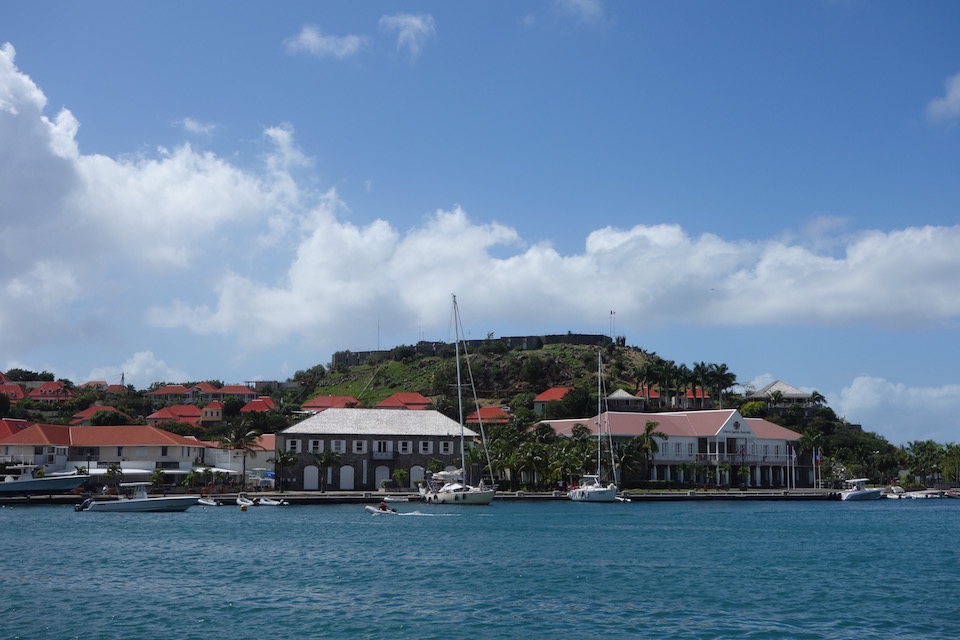
Gustavia Cruising is probably the most economical way to experience this notoriously pricey French-Caribbean destination. Lines such as Windstar Cruises and SeaDream Yacht Club feature day-long and overnight stays here, so you’ll have plenty of time to explore St. Barth’s 22 winsome beaches, lively restaurants and the shops lining the capital’s main drag. And since the island is only roughly   10 square-miles, renting a car is a viable (and recommended) option.
terre de haut

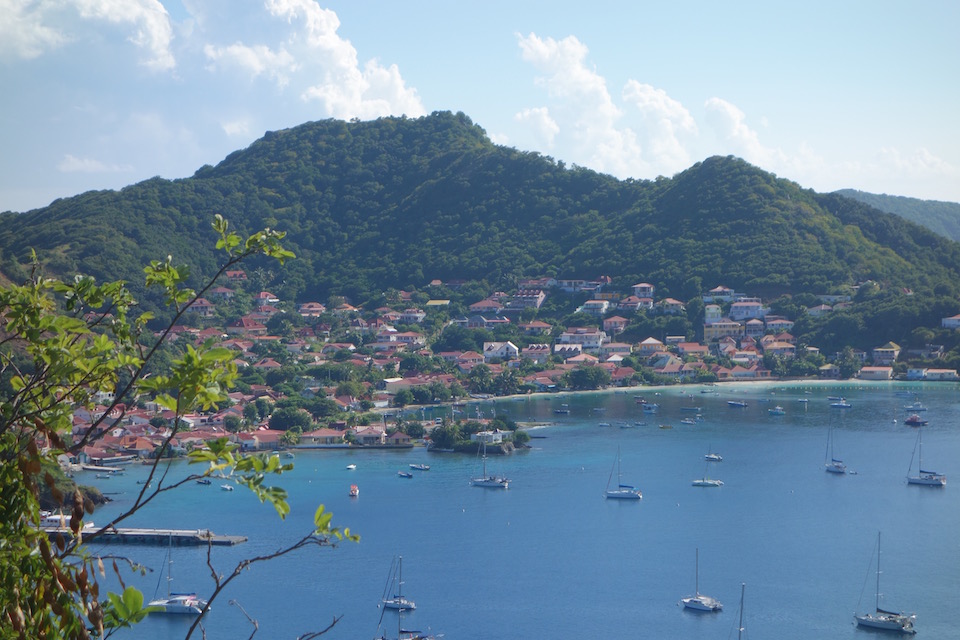
Terre-De-Haut Stepping off the ship and onto this island, one of a pair in Guadeloupe’s archipelago known as Les Saintes, is like stepping into a French-Caribbean storybook. Boutiques and restaurants line the tiny waterfront village’s streets, where ladies dressed in colorful national costume sell fresh-baked pastries from straw baskets. Clean and quiet beaches are mere steps away from the pier, and practically anywhere else you want to go is just a scooter ride away.
barbuda

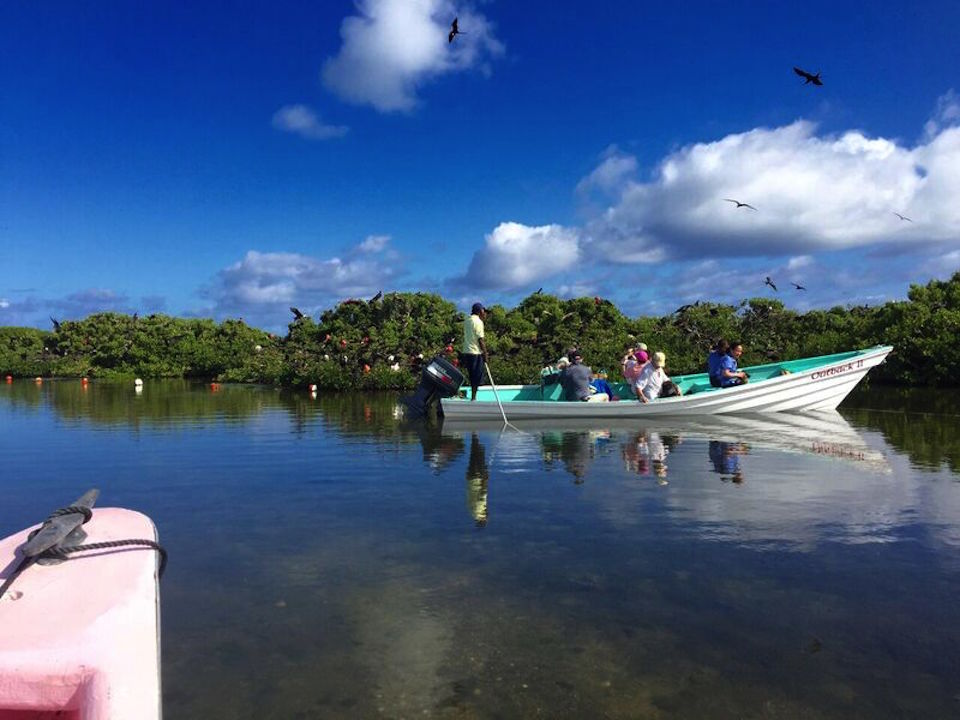
Barbuda Only 62 square-miles, Antigua’s little sister captivates with miles of pink sand at Low Bay (the 17-mile strand where Lighthouse Bay resort, the island’s best-known hotel, sits) and Dulcina Bay, which borders the pier you’ll arrive. But before you spread out your beach blanket, take an excursion through the sleepy town to Codrington Lagoon, a marine sanctuary where rare frigate birds roost.

charlestown

Charlestown Caribbean towns don’t come much more charming than Nevis’ capital, where colonial-era buildings line the waterfront and stray donkeys roam the streets. Don’t miss the chance to see where Alexander Hamilton was born, or the opportunity to soak in the reputedly healing waters at Bath mineral springs, on the grounds of what was the Caribbean’s first resort.
cul

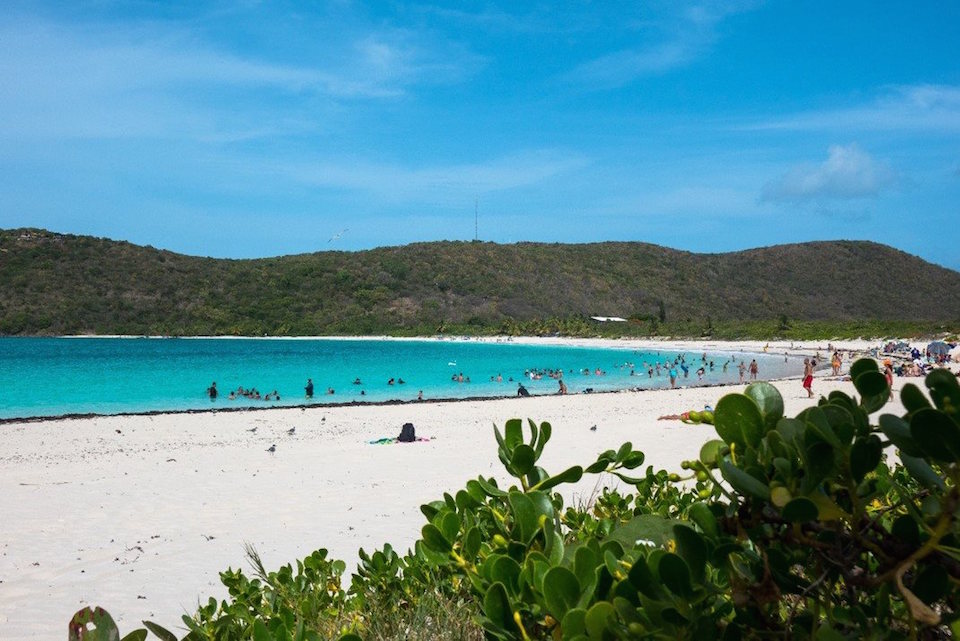
Culebra San Juan is a major Caribbean cruise hub but this island, 17 miles east of the mainland, sees a mere fraction of Puerto Rico’s visitors. Which means that you’ll have little competition to snap the obligatory selfie with the Sherman tank on Flamenco Beach (the island was a U.S. Navy gunnery and bombing practice site for several years). The playas at Zoni and Tamarindo are also blanket-worthy.
jost

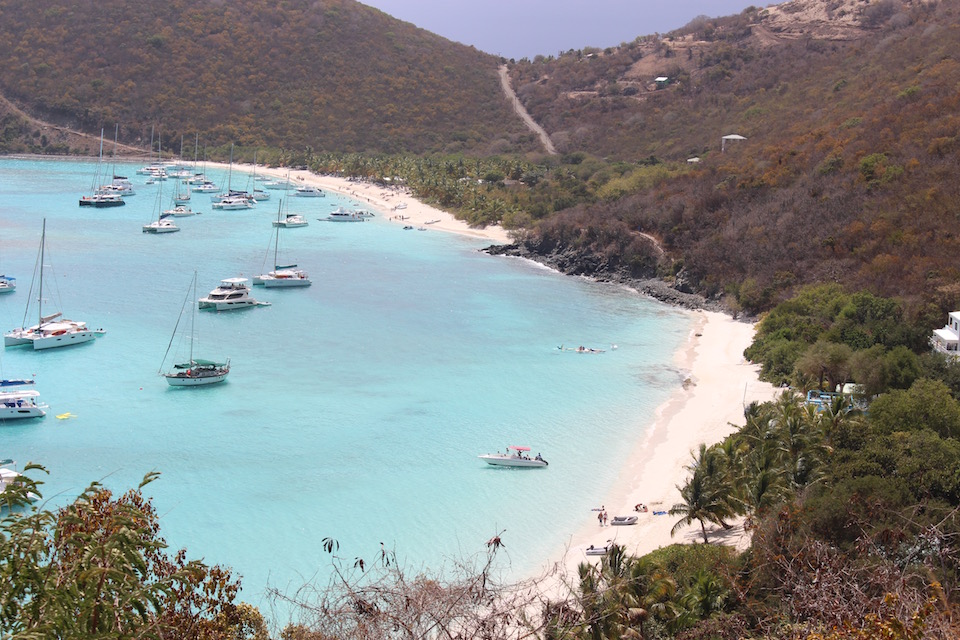
Jost Van Dyke Cruise to this British Virgin Island on SeaDream and you’ll enjoy caviar and champagne, served to you from atop a floating surfboard by white-coated chefs standing waist-deep in the warm waters just offshore. But whichever line you cruise with, you’ll enjoy the string of classic Caribbean beach bars (including the famous Soggy Dollar) that line the sandy sweep of White Bay.
kralendijk

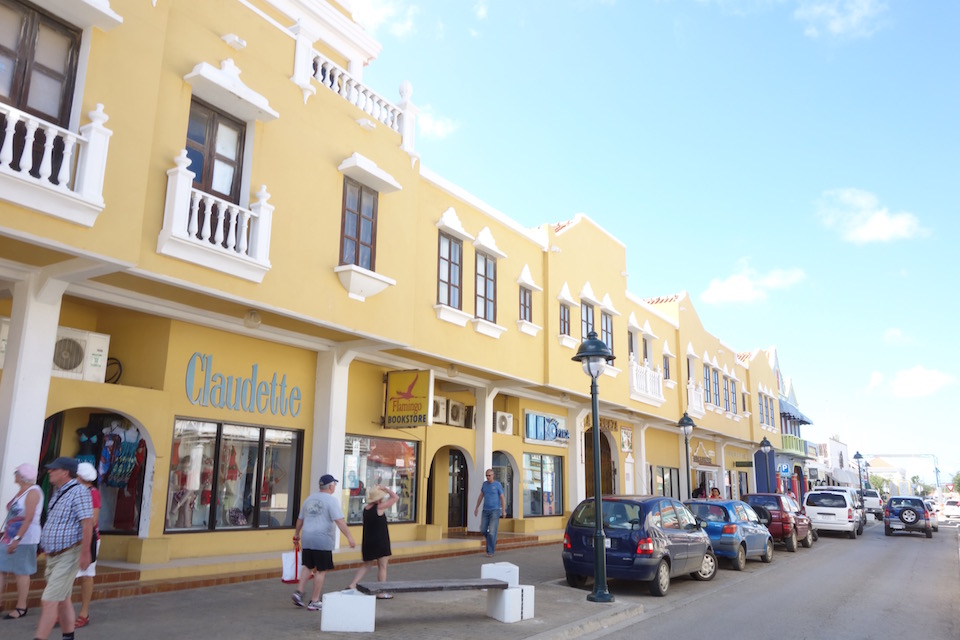
Kralendijk Bonaire isn’t just for divers – although the Dutch-Caribbean island’s 89 stellar dive spots certainly attract them. Disembark in the tiny capital of Kralendijk and you’ll find chic boutique shopping lining the main street, Kaya Grandi and superb windsurfing and kitesurfing at Sorobon, on the breezy east coast. Beach bums can buy a day pass to Harbour Beach Village, the island’s biggest and arguably best resort, and soak up the sun in style.
montserrat

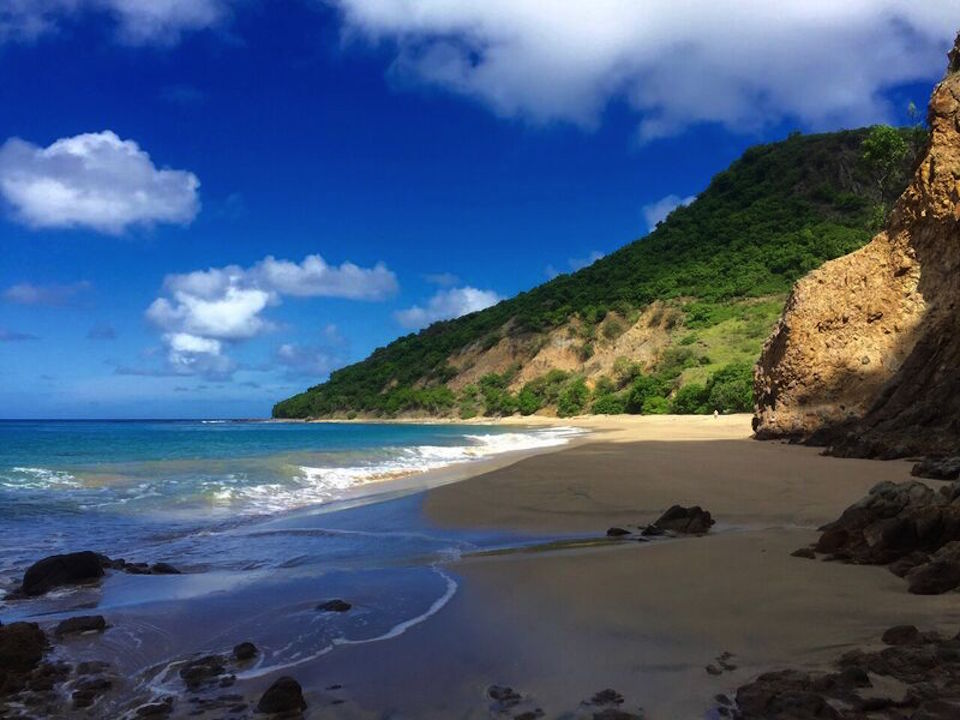
Little Bay It’s been a while since Montserrat received cruise calls so you’re sure to be welcomed warmly to this island, best known for the devastating eruption of its Soufriere Hills volcano back in 1995. Tours of the exclusion zone have just resumed and should be top of your to-do list. But save time to swim at Rendezvous Bay and have lunch on the patio at the late Beatles producer Sir George Martin’s island home-turned-B&B, Olveston House.

 domi

Roseau Dominica’s airlift from the U.S. isn’t the most convenient, so cruising is a good way to sample the pleasures of “The Nature Island” minus multiple flights and layovers. Hike and bike the 289-square-mile isle’s rainforest terrain; snorkel and dive its fish-filled waters; or take a stroll to one of several waterfalls to marvel at the Instagram-ready cascades.
virgin 

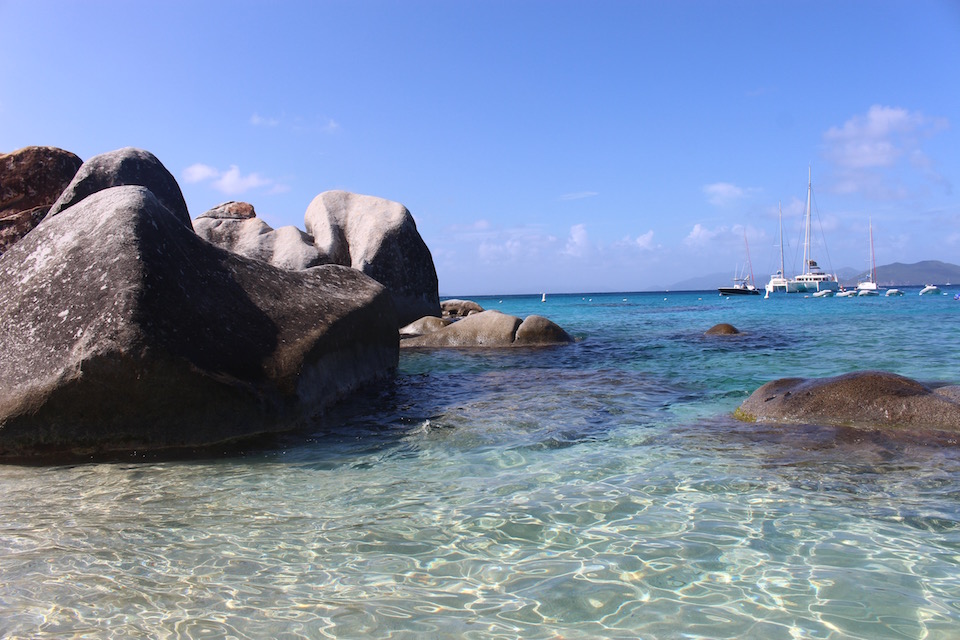
Virgin Gorda This BVI cruise stop is a must-see for the gigantic granite boulders scattered along the shoreline at The Baths. Enjoy a gentle hike through crystal-clear seawater pools formed by the only-in-the-Caribbean oceanfront monuments, then reward yourself with an hour or two of sunning on the sand at Devil’s Bay beach.

Powered by WPeMatico
The Caribbean Has an Air Tax Problem


By George Nicholson
Op-Ed Contributor

The regional airline industry has been characterised by a high degree of commercial difficulties. The last three decades has seen the Caribbean airspace littered with the remains of more than thirty carriers – some of these departures have been through acquisition, some through restructuring and others insolvency. Notwithstanding these changes and periodic injection of investments by regional government and, in some cases, investors, the region’s airlines continue to face major financial challenges. It is against this backdrop that there appears to be fundamental structural problems with the regional airlines, centred on poor capitalisation, and lack of economies of scale and non-competitive aircraft and operating costs. These problems are compounded by high airfares further reducing regional demand for travel and starving airlines of revenue needed to become successful.
The Greater Caribbean is the most tourism-dependent region in the world, four times more dependent on tourism revenue than any other area and although it only accounts for less than 5% of international tourism arrivals, it contributes over 15% to Caribbean GDP.

Notwithstanding this importance, travel around the region has become disjointed, prohibitively expensive and subject to multiple layers of taxation.

Tourism products are generally outward facing, focusing on leisure travellers from the USA, and Europe and Canada, among others while the market for travellers originating within the region is considered small and thin characterised by low disposable personal income and limited options for travel.  As a consequence of this, and the cost and hassle of traveling regionally, intra-Caribbean travel has largely become non-discretionary.

Despite the region seeing an increase in tourist arrivals, with an expected increase of 5.5% expected in 2016, only a small percentage of intra-regional travellers are on holiday. It is therefore not surprising that intra-Caribbean travel has been declining: For instance, regional carrier LIAT, has seen passenger numbers shrink from 1.1 million in 2008 to 850,000 in 2013. Despite intra-regional travel peaking in 2015, with 1.7 million trips, analysis of the trend over the longer term indicate that intra-regional travel is falling and the markets have experienced a continuous seat capacity reduction averaging 2.9% annually.

Given the seasonal nature of the global tourism market, increasing intra-regional travel could serve to bolster the performance of regional carriers; in essence smoothing out the declines in fortunes seen during the shoulder season for international tourist market, and improving the economic fortunes of member states. Studies by the Caribbean Tourism Organisation (CTO) have shown that on average the per-day spend of the regional visitor is on par with his better-heeled international counterpart, and the impact of his spend on the economy goes deeper.

A review of regional fares indicated that on average taxes and fees are approximately 80% of the base airfare charges, thus comprising over 40% of total ticket cost. High airport charges and taxes for outbound traffic represent a large proportion of ticket prices with US$48 being the average charge levied on a departing passenger.

Further studies by IATA indicate that the tax component on regional travel is among the highest worldwide, surpassed only by the Pacific region. The correlation between the increase in intra-regional air fares, in part due to high taxes, and the decline in intra-regional travellers is not to be missed. A key opportunity now available for regional governments is to reduce taxes on tickets, thus stimulating regional demand for travel. This naturally raises the question of whether the overall economic impact of the increased number of visitors would be greater than the reduction in ticket taxes.

While there is much debate in the international arena about the impact of taxation on air travel, a growing body of independent economic researchers consider that taxes and charges do have a suppressing effect on air connectivity and reduce the economic benefits of aviation. The Chicago Convention contains a number of provisions regarding aviation taxation. The convention states that tax cannot be levied on fuel used for international air transport and the International Civil Aviation Organisation (ICAO) also recommends that value-added taxes (VAT) and other sales taxes should similarly not apply to international air tickets. These recommendations however are ignored by many governments.

An examination of global ticket prices indicate that while there are many factors which can influence per mile costs including type of aircraft flown, routes flown, local salary and fuel costs, ancillary revenue, and airport landing fees, there is a clear linear relationship between distance travelled and airfares; the longer the flight, the more expensive it should be. Consequently, it is reasonable to expect that, despite the fact that short haul carriers using mainly turboprops exhibit a higher operating cost per mile, fares around the Caribbean should be lower than fares to fly extra-regionally. Counterintuitively however, the cost to travel around the region is most times on par with the cost to travel to global points such as London and New York. This reflects the fact that many of the taxes and charges levied are a flat amount rather than a rate, thus having a disproportionate and distortionary impact on what should be shorter and cheaper flights.

While there is the understanding that the Caribbean region has high airport charges as a consequence of lack of economies of scale, much discussion has taken place on mechanisms to improve intra-regional travel. These have ranged from general initiatives which are expected to make travel more efficient such as promoting regional open skies agreements, harmonisation of standards, implementing regional promotion strategies, to financial initiatives such as reducing the various miscellaneous taxes that are levied and implementing a differential tax structure.

Despite advocacy at different levels, regional discussion and initiatives have had minimal impact to date. Regional institutions are not the final decision takers, or shareholders, nor do they have implementation authority. Governments have signed open skies agreements with external trade blocks such as the European Union and the USA, while regional initiatives such as the CARICOMs Multilateral Air Services Agreement (MASA) and the Association of Caribbean States Air Services Agreement (ASA) have not advanced the process of liberalization leaving this to bilateral negotiation between parties. Accordingly, these agreements have not been effective in making a significant difference to the number of points connected or to the reduction in cost of air travel.

Surprisingly the impediments to facilitating easier intra-regional travel have not been addressed in a systemic way, despite clear evidence that such an approach has worked in other parts of the world.

The “public interest” in air travel is, however, evinced in the continued recognition that an efficient and effective air transportation system is essential to the region’s economic wellbeing. In a region driven by mainly by tourist traffic, it is a product for which there is no perfect substitute. There however appears to be a fundamental inconsistency between the policy positions of regional governments, the posture of airlines and the business they are in, and the resultant implications for economic development of our different societies. But given that air connectivity is a proven enabler of economic development, overtaxing flying will have a negative effect on national economies and government revenues.

George Nicholson is the Director of Transport and Disaster Risk Reduction of the Association of Caribbean States.

Powered by WPeMatico

The 25 Best Hotels in the Bahamas


With 700 islands and cays, it’s no surprise that the Bahamas has always boasted a world of great places to stay, from large hotels to chic boutiques to private islands resorts. There is something for everyone to find in the Bahamas, whether you are looking for a traditional luxurious beach getaway or a funky, hip retreat. But sorting through so many hotels can be difficult; that’s why we’re here to help you, with our landmark listing of the 25 best hotels in the Bahamas.

ocean

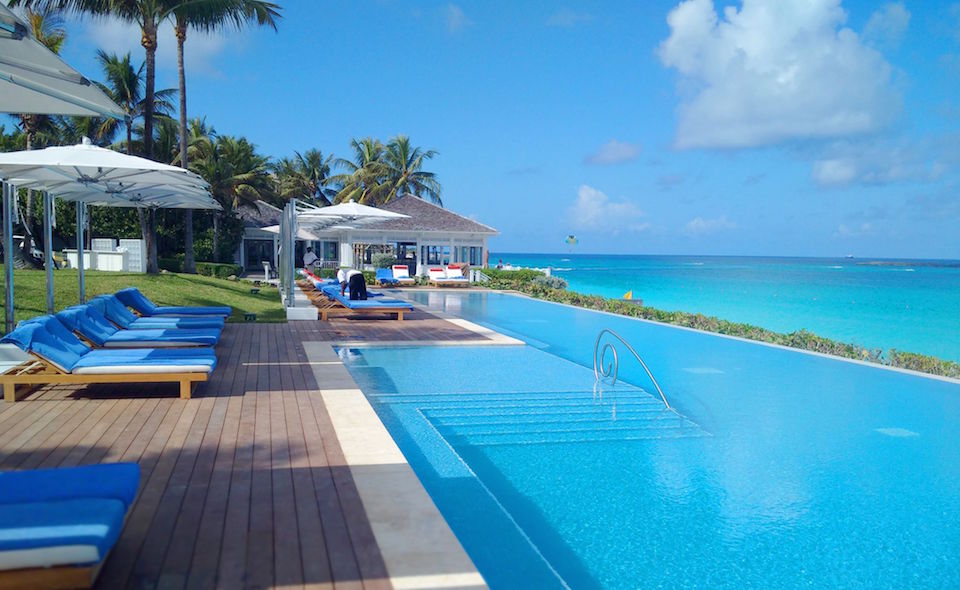
One & Only Ocean Club It’s all about understated elegance at this former private estate-turned- resort on Paradise Island. The highlights: rooms in the original Hartford Wing, which have just been renovated in contemporary cool style; a sleek new ocean-view infinity pool; and fittingly fancy airport pickup in a fleet of WI-FI-equipped Bentleys.

Powered by WPeMatico

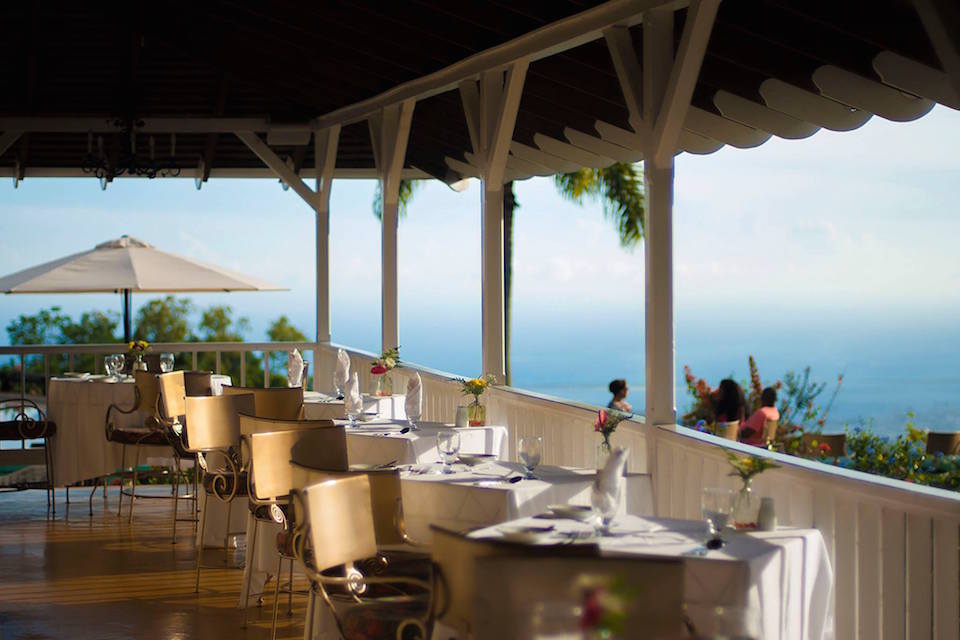
How to Stay in Jamaica’s Blue Mountains Right Now


By Alexander Britell

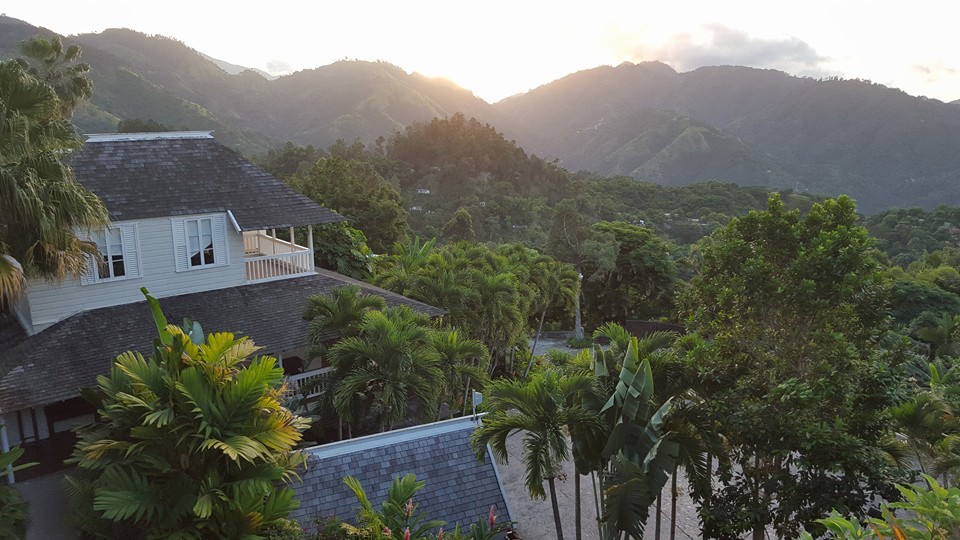
It’s a rare Caribbean property: tucked high in Jamaica’sBlue Mountains, set above Kingston.

This is Strawberry Hill, an Island Outpost property with a unique collection of cottages and villas with simply astonishing views. It isn’t just a hotel — it’s a village.

jam2

And now there’s a special way to stay here, thanks to the hotel’s Blue Mountain Bliss package.

The package, which applies to stays of at least three nights, gives you three nights for the price of two or four nights for the price of three.

jam

It also includes signature Blackwell Rum cocktails, complimentary continental breakfast served on your veranda and a 30-minute sea-salt foot bath and reflexology treatment per person at the Strawberry Hill Spa.

Just make sure you book before July 1, and you can receive a $100 resort credit per couple and a signature Hope River excursion.

It’s a side of Jamaica you may not have seen.

Powered by WPeMatico

Puerto Rico targets $32 million boost by hosting cruise conference and trade show

PEMBROKE PINES, USA — For more than 20 years, destinations have increased their cruise tourism impact by hosting the annual FCCA Cruise Conference & Trade Show. From triple-digit growth in passenger and vessel arrivals to the development of new piers and cruise destinations…

Powered by WPeMatico